Portable Snack Kits for Work and Travel
Why a portable snack kit matters
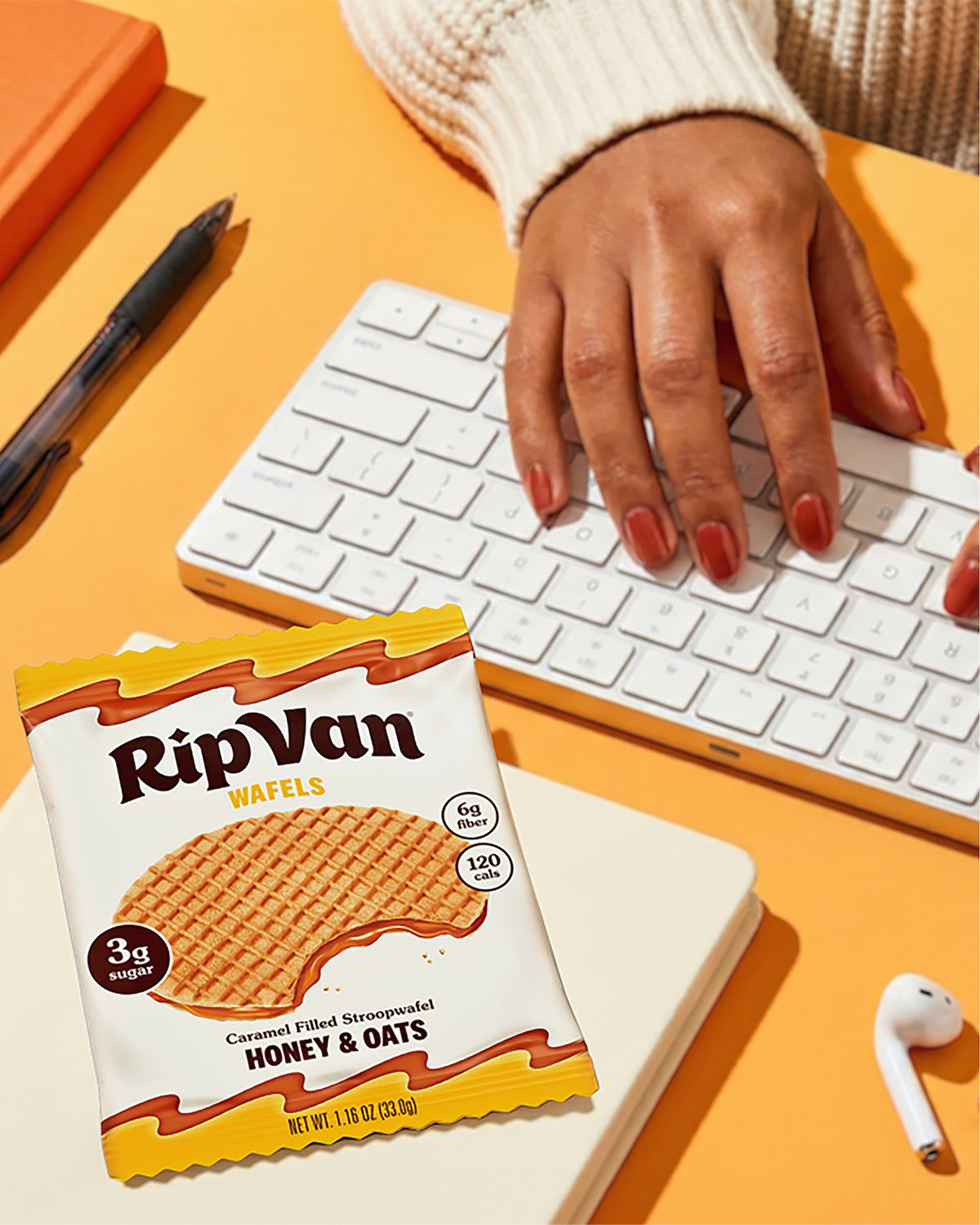
Between-meal hunger can derail focus at work or energy on a road trip. A portable snack kit helps you keep steady energy without relying on vending machines or convenience stores. The trick is to choose items that travel well, stay fresh in a bag or desk drawer, and satisfy without making a mess. A little planning goes a long way toward making sure you always have something good to eat when hunger strikes.
Choose the right container
The first step is picking a container that fits your daily life. A small lunch bag works well if you carry it from home to the office. A dedicated pocket in your backpack is ideal for travel. For people who mostly need a desk drawer solution, a resealable plastic bin or a fabric pouch can hold everything neatly. The container should be easy to open and close, and it should protect food from getting crushed. Look for something with a flat bottom so it stays upright in a bag. The size depends on how much you want to carry. A container about the size of a small book is enough for a couple of snacks and a drink packet. If you tend to be out all day, a slightly larger option gives you room for more variety.
Select shelf-stable snacks
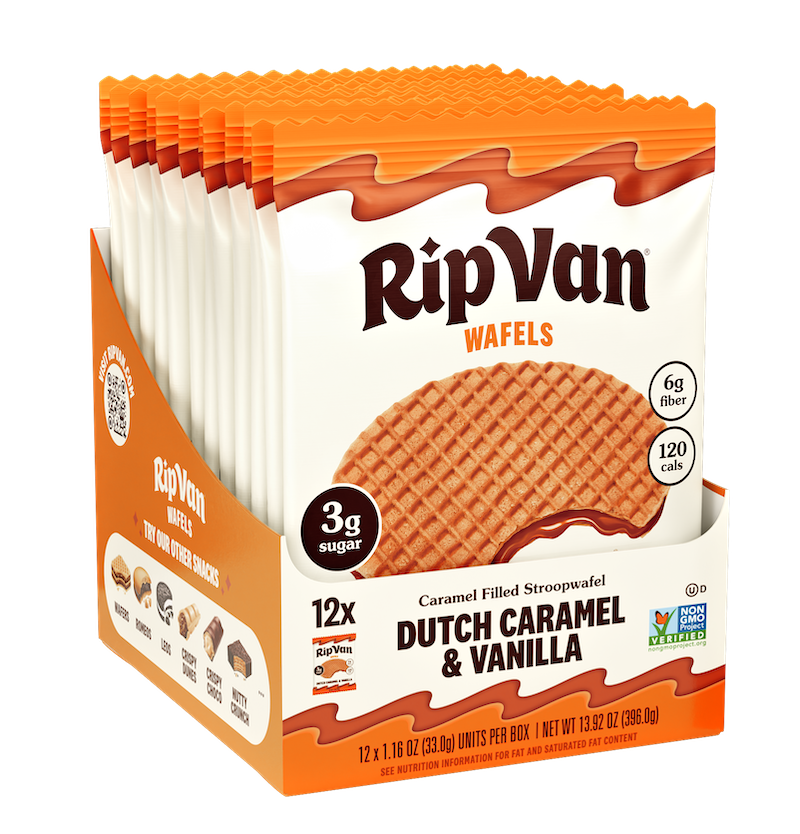
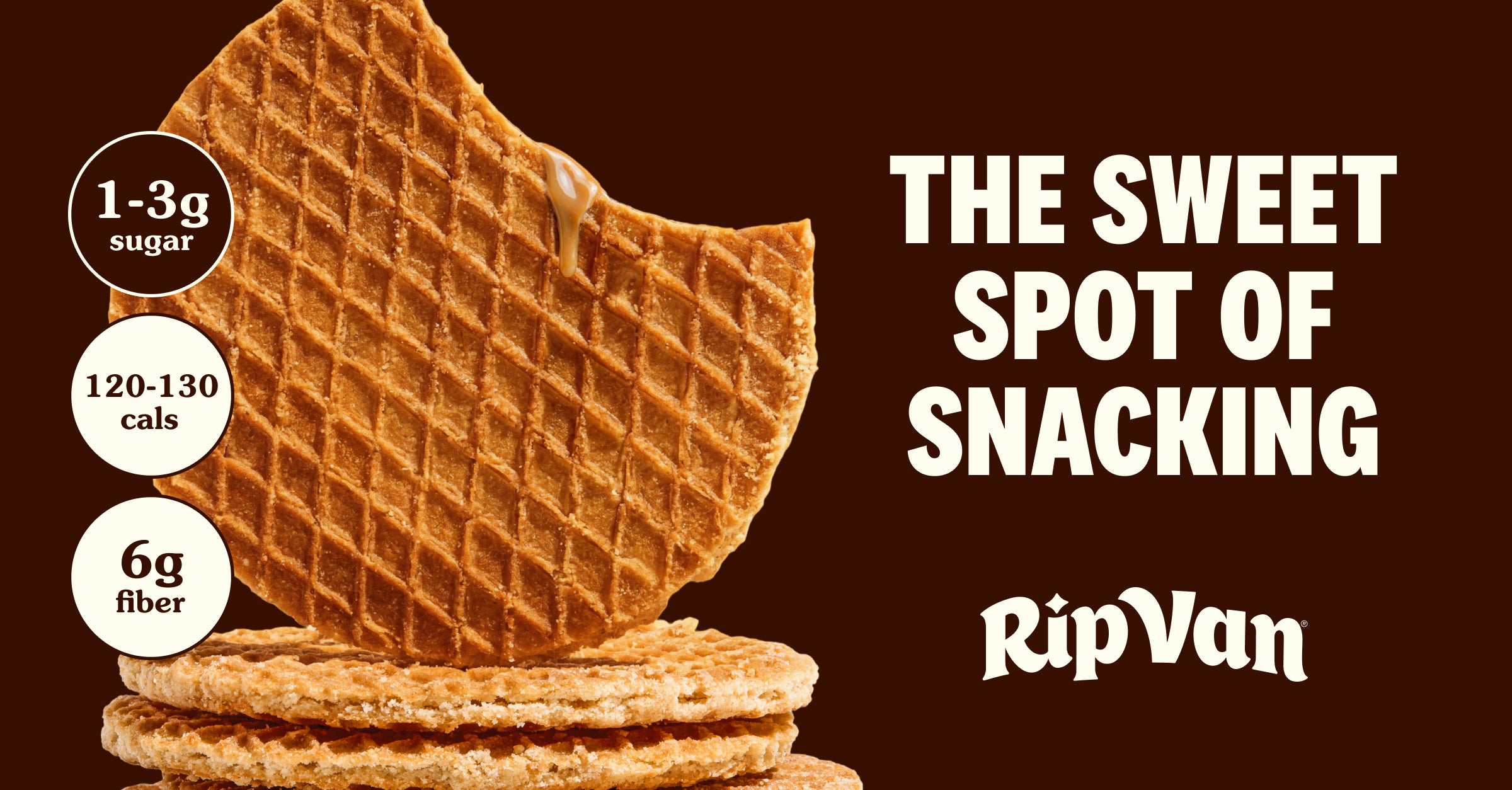
The best snacks for a portable kit are those that do not need refrigeration and survive a few hours in a warm car or backpack. Think about texture and durability. Sturdy items like nuts, seeds, and dried fruit hold up well. Granola bars and protein bars are another reliable choice because they come in individual wrappers that keep them fresh. For a sweet option that travels surprisingly well, consider individually wrapped stroopwafels. These thin wafer cookies have a chewy caramel-like filling that stays soft at room temperature. Rip Van makes stroopwafels that are low in sugar and include added fiber, which helps them fit into a balanced snack kit. They are sturdy enough to pack in a bag without breaking, and their sealed packaging protects them from crumbs and moisture. The key with any snack is to check the packaging before you buy. Look for items that come in foil or plastic wrappers that seal tightly. Avoid anything that needs to stay cold or that might leak oil or sticky syrup. Also consider portion control. Single-serving packs are easier to grab and eat than a large bag that you have to portion out yourself. If you do buy a larger bag of nuts or dried fruit, you can divide it into smaller zip-top bags at home. That way you control how much you eat and keep the rest fresh.
Add a drink option
A portable snack kit is more complete if you include something to drink. A small bottle of water is the obvious choice, but it can be heavy. Instead, pack a few single-serving drink powders or tea bags. They take up almost no space, and you can add water when you are ready. Look for options that do not require hot water unless you have access to a kettle. Electrolyte powders are good for travel days when you might be more active. Unsweetened iced tea mix is another light option that does not need refrigeration. If you prefer plain water, just pack a reusable bottle and fill it when you need it. The drink element is optional, but it helps wash down dry snacks and keeps you hydrated, which is important for staying alert.
Think about packaging and waste
When you assemble your kit, pay attention to how each item is packaged. Individually wrapped snacks are convenient, but they create trash. If you are using a desk drawer kit, you can keep a small bag nearby for wrappers and toss it at the end of the day. For travel, consider reusable containers for items like nuts or dried fruit that you buy in bulk. A small silicone bag or a glass jar with a tight lid keeps food fresh and reduces waste. Be careful with glass if you are carrying the kit in a backpack or suitcase. Plastic or metal containers are sturdier for that purpose. Also think about how easy it is to open the package. Some wrappers are tricky to tear open without scissors. If you know you will be eating on the go, choose snacks with easy-open tabs or tear notches. You can also pre-open a few items and transfer them to a reusable container so you do not struggle with packaging when you are hungry.
Rotate and refresh the kit
A portable snack kit is not a set-and-forget item. Snacks have expiration dates, and your tastes may change. Set a reminder to check the kit every couple of weeks. Remove anything that is close to expiring or that has started to look stale. Replace it with fresh items. This is also a good time to adjust the contents based on your plans. If you have a long road trip coming up, you might add more filling items like trail mix or a nut butter packet. For a week at the office, lighter options like fruit leather and a few stroopwafels might be enough. The goal is to keep the kit appealing so you actually use it instead of skipping meals or buying junk food. Rotating also prevents you from eating the same thing every day, which can get boring. Mix up sweet and savory, crunchy and chewy. A little variety makes the kit more satisfying.
What to watch for at each step
When you choose a container, watch out for lids that snap shut too tightly or that pop open easily. Test it before you commit. For snacks, be mindful of how much sugar you are packing. Even healthy-looking bars can be high in added sugar. Read the labels and look for options with whole ingredients and fiber, like the Rip Van stroopwafels mentioned earlier, which offer a sweet taste with less sugar and extra fiber. With drinks, watch for powders that contain caffeine if you are sensitive to it. Some electrolyte powders have a lot of caffeine that might keep you awake when you do not want to be. And when you rotate the kit, watch for any signs of damage to the packaging. A torn wrapper can let in air and spoil the food. If you find a snack that has gone stale or tastes off, toss it and figure out why. Maybe the container got too hot in the car, or the snack was old when you bought it. Adjust your choices accordingly.
Building a portable snack kit takes a few minutes of thought but pays off every time you reach for it. Whether you are at a desk, on a train, or driving across the country, having a small stash of good food keeps your energy steady and your mood even. The process is simple: pick a container, choose snacks that travel well, add a drink option if you like, manage the packaging, and refresh regularly. With a little practice, you will have a kit that fits your routine and your tastes.